Approach
How a space can make us feel good.
When I design a home, I start with a question:
how will the people who live in it feel?
The layout of the rooms, the way you move through them, the views and natural light help create a balance you feel every day, in daily routines as well as in moments of togetherness or privacy.
My goal is to give shape to functional, harmonious places that meet the needs of the people who live in them and foster a sense of well-being.
That's why my approach brings together listening to people, the organization of space and the quality of light, to create rooms where you truly feel good.
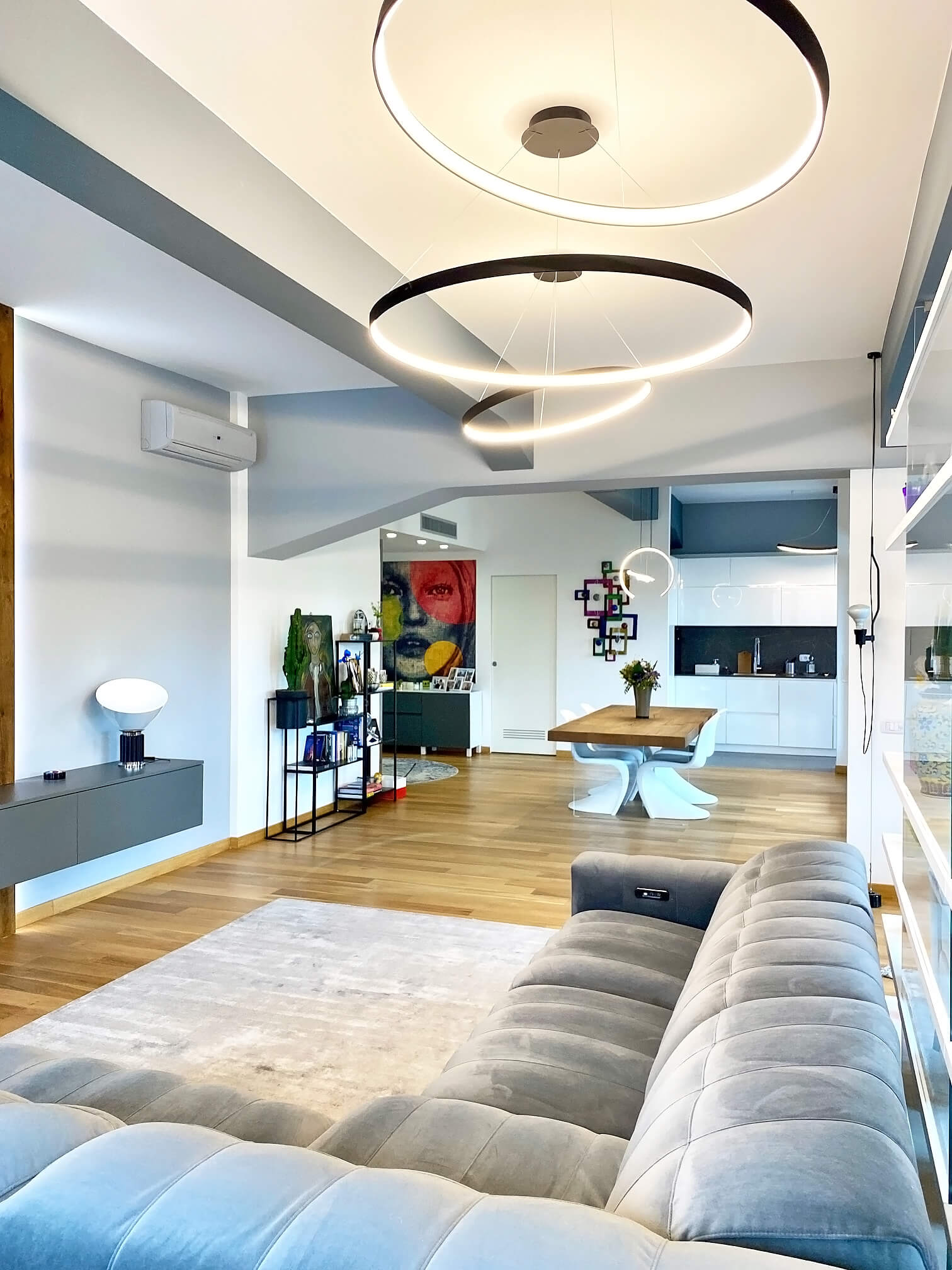
Listening
Every project begins with a person and the way they live.
Before I even start drawing, I try to understand needs, habits and wishes: what already works, what causes discomfort instead, what the priorities are and what you'd like to change.
There's no ideal home that's the same for everyone.
A space can be open and fluid for some, cozy and sheltered for others. It may need more order, more light, a better connection between the rooms or, on the contrary, places to find quiet and privacy.
Listening means starting with the person, not the solution.
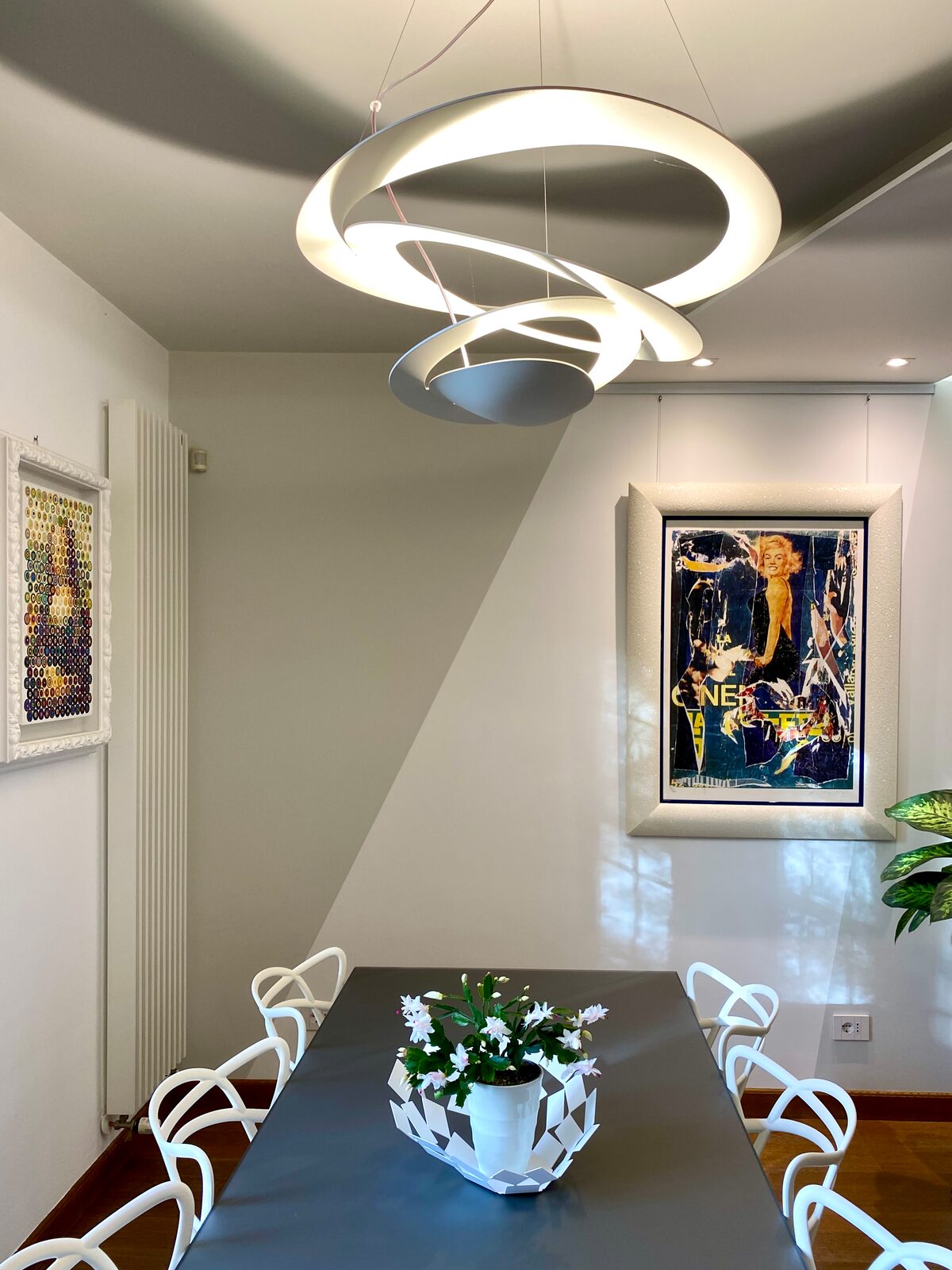
Space
Space is the first tool for transforming the way we live.
Layout, proportions, the way we move through a home and the relationship between the rooms shape much of our daily experience, often before we even realize it.
So rethinking a space means asking not only where to put things, but how we want to experience what happens inside it.
A kitchen can become the center of family life. A hallway can stop being just a way through. A room can take on a new function simply by changing its relationship with the ones next to it.
Design grows out of these connections.
Light
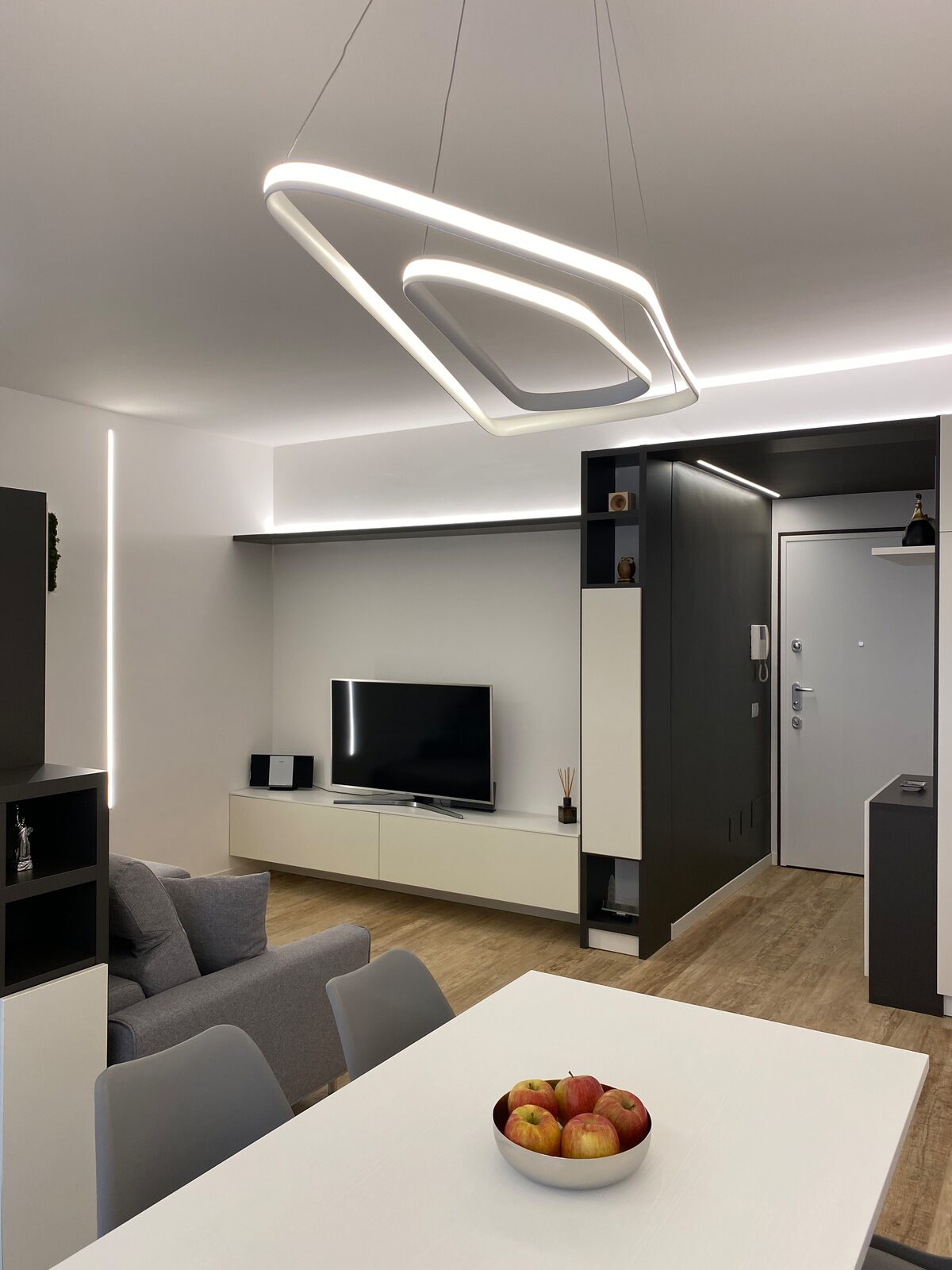
Light is one of the elements that most profoundly change the perception of a room.
Natural light changes during the day, brings out surfaces and materials, alters colors and creates different atmospheres in the same rooms.
Artificial light can follow this rhythm, making the rooms more functional and creating different atmospheres for different times of day.
That's why I consider it a design material in its own right.
It isn't something to add at the end, but something to think about together with space, colors, materials and furnishings.
Well-being
From this attention comes my interest in a question I consider more and more important:
how can space contribute to our well-being?
It's a line of inquiry I'm exploring through the study of neuroarchitecture, looking at the relationship between environment, perception and behavior.
The goal isn't to apply formulas, but to better understand what we experience every day in the spaces we live in: why some rooms make us feel at ease, others wear us out, some invite us to be together and others make us want to withdraw.
It's a process I'm gradually bringing into the way I design.
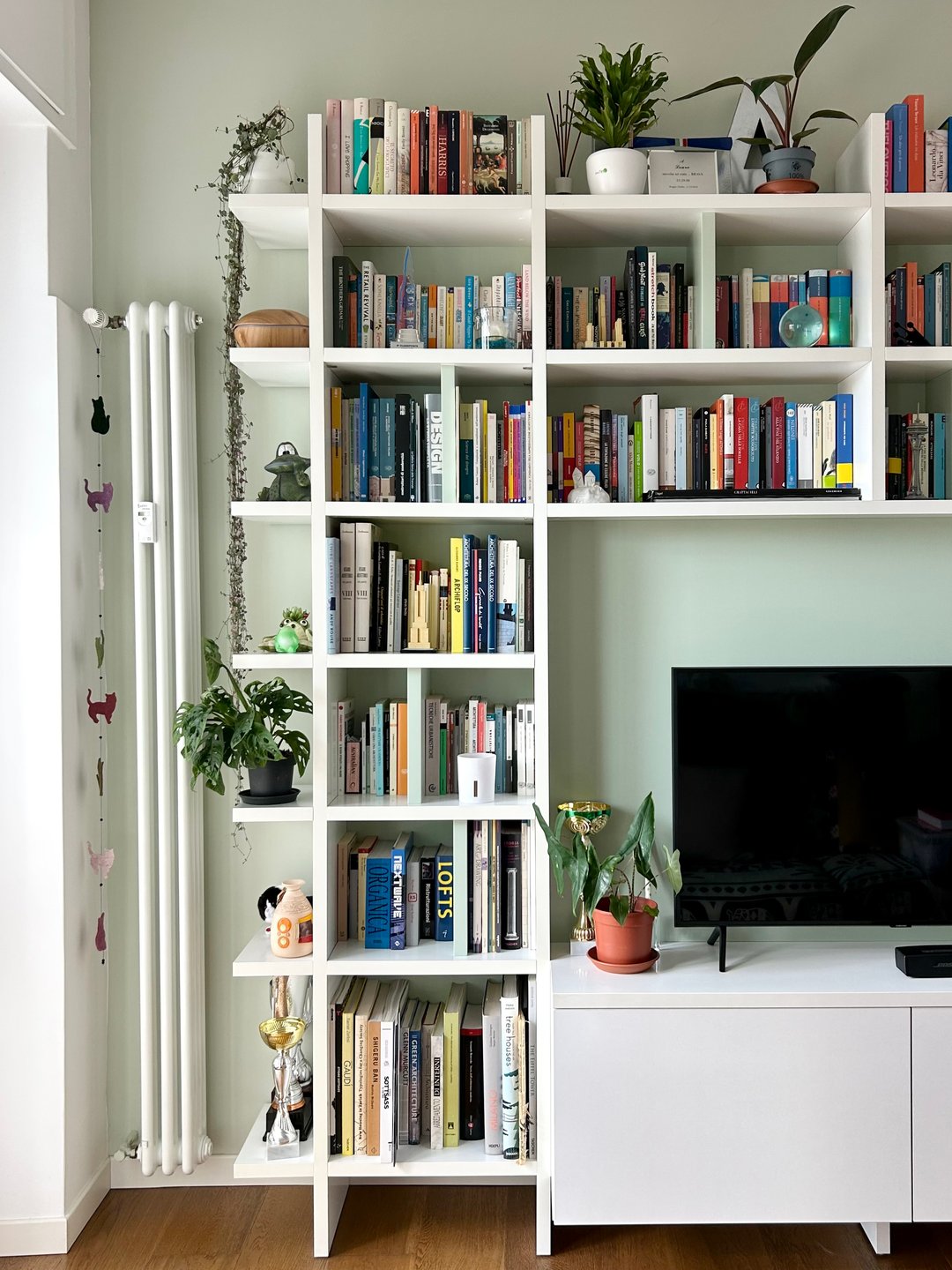
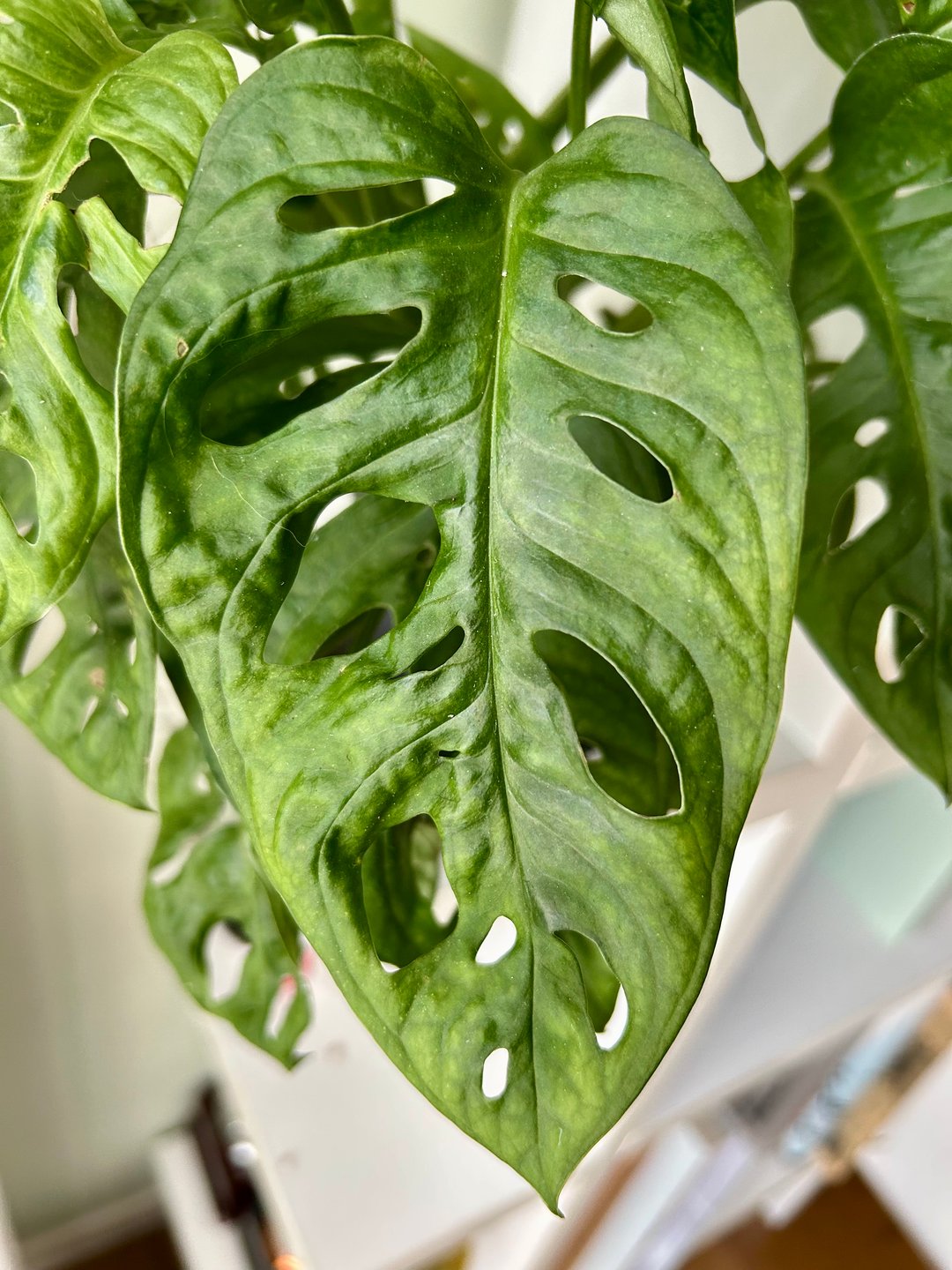
Nature in the design
The relationship with nature is also part of this research.
Greenery, natural materials, light and the relationship with the outdoors support our innate tendency to seek contact with living things.
These are elements that can add to the perceptual quality of a space, and they come together in the principles of biophilia.
It's not simply a matter of bringing a few plants into the house, but of designing a more conscious relationship between inside and outside, between the built environment and the natural world.
A space isn't just something you look at: it's something you live in.
This is where my approach begins.
Designing means considering together what we see and what we perceive, function and atmosphere, matter and light, concrete needs and the more personal dimension of living.
Because a well-designed home shouldn't just be beautiful to look at. It should make us feel good inside.
Do you have a space you want to transform?
Tell me what you'd like to change, how you live in your home today and what you'd like to achieve.